
Care Instructions
Your furniture from Knot Design has been handcrafted with the utmost care and attention. A few small steps will ensure that your purchase from me will last an extremely long time.
On this page you will find detailed instructions for caring for your furniture to ensure it carries on looking like the day it arrived for as long as possible.
-
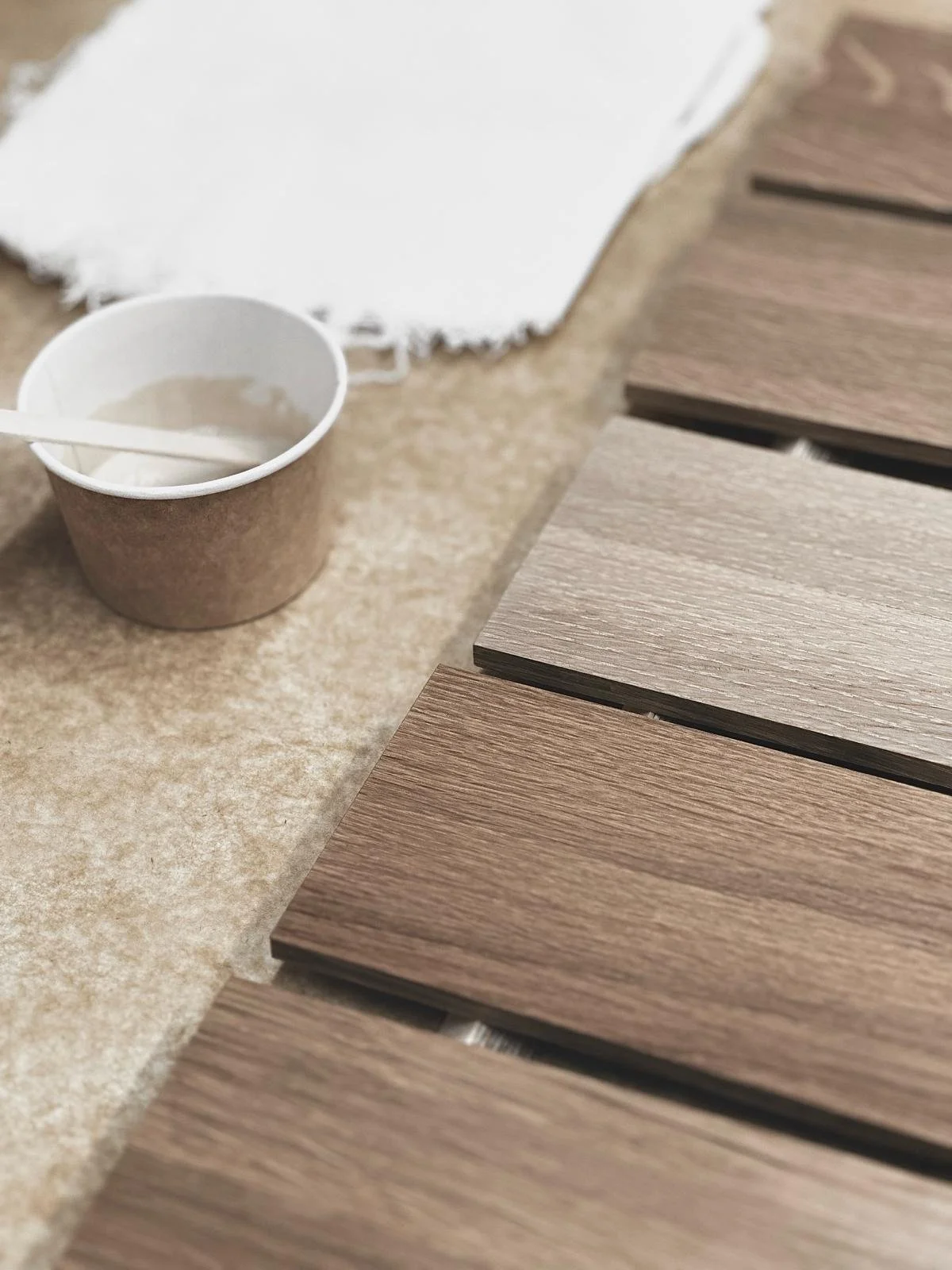
At Knot Design, I use a small number of environmentally friendly, food-safe finishes on my furniture. These have been selected for their hardwearing nature, as well as bringing out the natural beauty of the British timbers I use.
Whilst the oil treatment on your furniture repels water, eventually sitting water will penetrate the surface protection and mark your table. Make sure you mop up any spills as soon as you notice them.
Protection
Protect all wooden surfaces from extreme heat, steam and liquid exposure. Use of coasters, placemats and trivets are highly advised and to be made of a suitable material (timber and cork are examples of suitable materials, wool/felt and metal are unsuitable).
Care
Clean your furniture as often as required with a damp, tightly wrung cloth.
Depending on the finish I use, please refer to specific instructions from the manufacturers below to find the best information on how to care for your furniture
-
Danish cord is made from tightly twisted paper strands, which are then woven together in 3 plies and lightly waxed to improve longevity.
There are two varities sold - laced and unlaced. At Knot Design I use unlaced cord, which gives a smoother feel.
Despite being made of paper, Danish cord is an extremely hard-wearing material, as evidenced by the number of Mid Century chairs still with their original woven seat after nearly 70 years.
Care
Vacuum the seating regularly, or use a soft brush or lint-free cloth to remove debris from your Danish Cord seat.
For more stubborn soiling, using a tightly wrung cloth with a weak soap solution can loosen stains. This should not be done often as the process will slightly wear the cord and may shorten its life. Never use detergent.
If it proves impossible to remove the staining, please get in touch with me as the seats can be rewoven at moderate cost.
-
As a woodworker, I don’t work a great deal with other materials. However, for some structural elements, screws, hinges and occasionally detailing, I make use of brass in my work.
Depending on the specific scenario, the brass will be finished in one of 3 ways:
Unfinished - allowing the brass to take on a patina over time
Waxed - lightly sanding and given a light coating of microcrystalline wax to preserve the raw look
Blackened - treated with a blackening solution to give the brass and aged feel, which is then wax as above.
Care
If required, brass elements can be cleaned with any dedicated brass cleaner. However, ensure that none of the cleaner is allowed to contact any surrounding wooden surface (gentle masking tape would make a suitable mask). Also, be aware that cleaning the surface may remove some of the patina that has developed over time which may not be desirable.
Product Specific Guides
-
Clean surfaces as required with a dry or damp cloth. Do not allow the surface to stay wet.
Osmo sells its own Spray Cleaner for use on furniture finished with Polyx or Top Oil.
-
Using a damp rag with clean water is sufficient for the regular cleaning of your oiled furniture. Remember that wood and water do not mix, so using a damp rag means your rag should not be “dripping wet” when cleaning a wood surface. Clean using a damp rag with water as needed but avoid doing so daily
Rubio also sell a range of proprietary cleaning products for use with your furniture from Knot Design.
-
Soapy water (using dishwashing detergent) may be used, but use sparingly and ensure you dry the surface thoroughly after.
Mixing 1 part vinegar with 10 parts water will also create an excellent cleaning product and can be applied with a lint free cloth and dried after.
Odies do sell their own proprietary cleaning solution, but unfortunately this is currently unavailable in the UK.
-
Liquid spills, particularly water, can damage wood if left for too long. Wipe up any spills promptly to avoid stains or warping.
When cleaning ensure your cloth is slightly damp, never soaking wet. Excess moisture can seep into the wood and cause irreversible damage.
Treatex sell their own surface cleaner for ongoing care of your furniture.